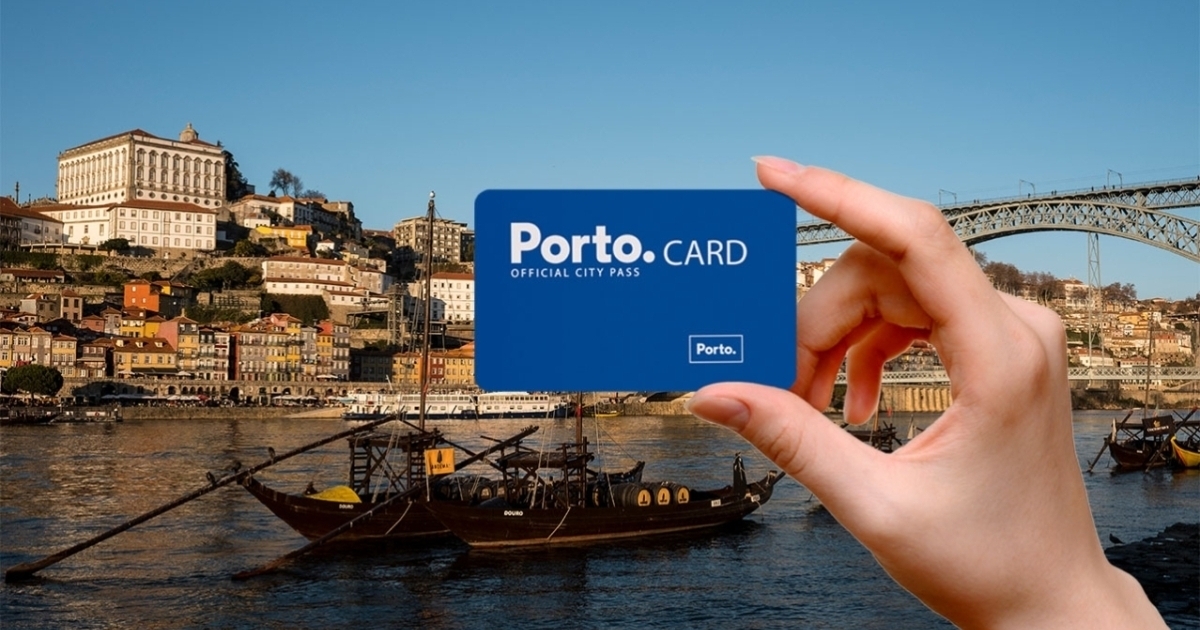
Is the Porto Card worth it? Sometimes. The walker version can pay for itself if you have several participating museums, monuments or tours already in your plans. The version with transport makes more sense when you will also use the metro, buses or urban trains regularly. For a relaxed visit built around free viewpoints, neighbourhood walks and one paid attraction, I would usually buy individual tickets instead.
The important distinction is that the Porto Card is primarily a discount pass. Many headline attractions offer a reduced ticket, not free entry. Its transport option adds an Andante Tour ticket; the card alone does not put you on every vehicle in the city.
Availability matters right now: on 7 October 2026, the official Porto Card booking site says the card is temporarily unavailable for purchase while the product is restructured. The comparison below can help you plan, but check the official status before counting on the pass or paying a third-party seller.
Start with the places you genuinely want to visit, then compare the saving on those places with the cost of the card. This guide shows how to do that without designing an exhausting itinerary just to justify a purchase.
Porto Card at a glance
The official pass comes in 24, 48, 72 and 96-hour versions. Each duration has a walker option and an option with public transport. These are the decisions that matter before comparing prices. See the official Porto Card availability notice and Porto attractions for your itinerary.
- ✓ Best potential value: several participating paid visits you would make anyway, especially alongside frequent eligible transport.
- ✓ Walker card: attraction and partner benefits, without unlimited public transport.
- ✓ Card with transport: the same benefits plus an Andante Tour ticket for eligible metro, buses and urban trains.
- ✓ Poor fit: a mostly free, walking-focused trip or a schedule dominated by places outside the partner list.
- ✓ Check the exact partner offer, opening day and booking terms before buying; a discount is not a reservation.
How much does the Porto Card cost?
The official leaflet lists the prices below for the most recently documented version of the card. These are reference prices, not a live offer: the official booking site says purchases are temporarily unavailable as of 7 October 2026. The price and benefits may change when the restructured product returns.
A longer card lowers the average cost per day, but that does not make four days the automatic bargain. You only save when your chosen benefits fall within the card's validity and you actually use them. See the newer official Porto Card price leaflet and Visit Porto's card and benefit information.
| Validity | Walker | With transport |
|---|---|---|
| 24 hours | €7.50 | €15 |
| 48 hours | €12 | €27 |
| 72 hours | €16 | €32 |
| 96 hours | €18 | €41.50 |
What does the Porto Card actually include?
The official pass offers free admission to selected museums and discounts at participating museums, monuments, wine cellars, cruises, tours, restaurants and other businesses. The partner list is broad, but each offer has its own conditions. A 50% reduction at one monument and a small discount at a restaurant are not equivalent to free access to the city's major sights.
Think of it as a collection of individual offers. A visit to Palácio da Bolsa, a Port cellar or a Six Bridges cruise may be eligible for a discount, but the percentage, ticket type and purchase channel can differ. Check the current offer for the exact operator you intend to use. Do not assume every cellar or cruise accepts the card because another one does.
The free museum entries are most useful if those museums appeal to you independently. Adding a museum to the itinerary solely because it is free is not a financial saving; it uses time you could spend somewhere you prefer. See Browse Porto's museums before choosing visits, the Port wine cellars in Gaia and whether a Six Bridges cruise suits your trip.
Is the Porto Card with transport worth the extra cost?
Only if you will make enough eligible journeys. The 24-hour transport option costs €7.50 more than the walker card in the newer official price table. For comparison, a standalone Andante Tour 1 costs €7.75 under Andante's 2026 fare table. If you want both the sightseeing benefits and a full day of frequent public transport, the combined option is straightforward. If you expect only one or two short rides, ordinary Andante tickets can be cheaper.
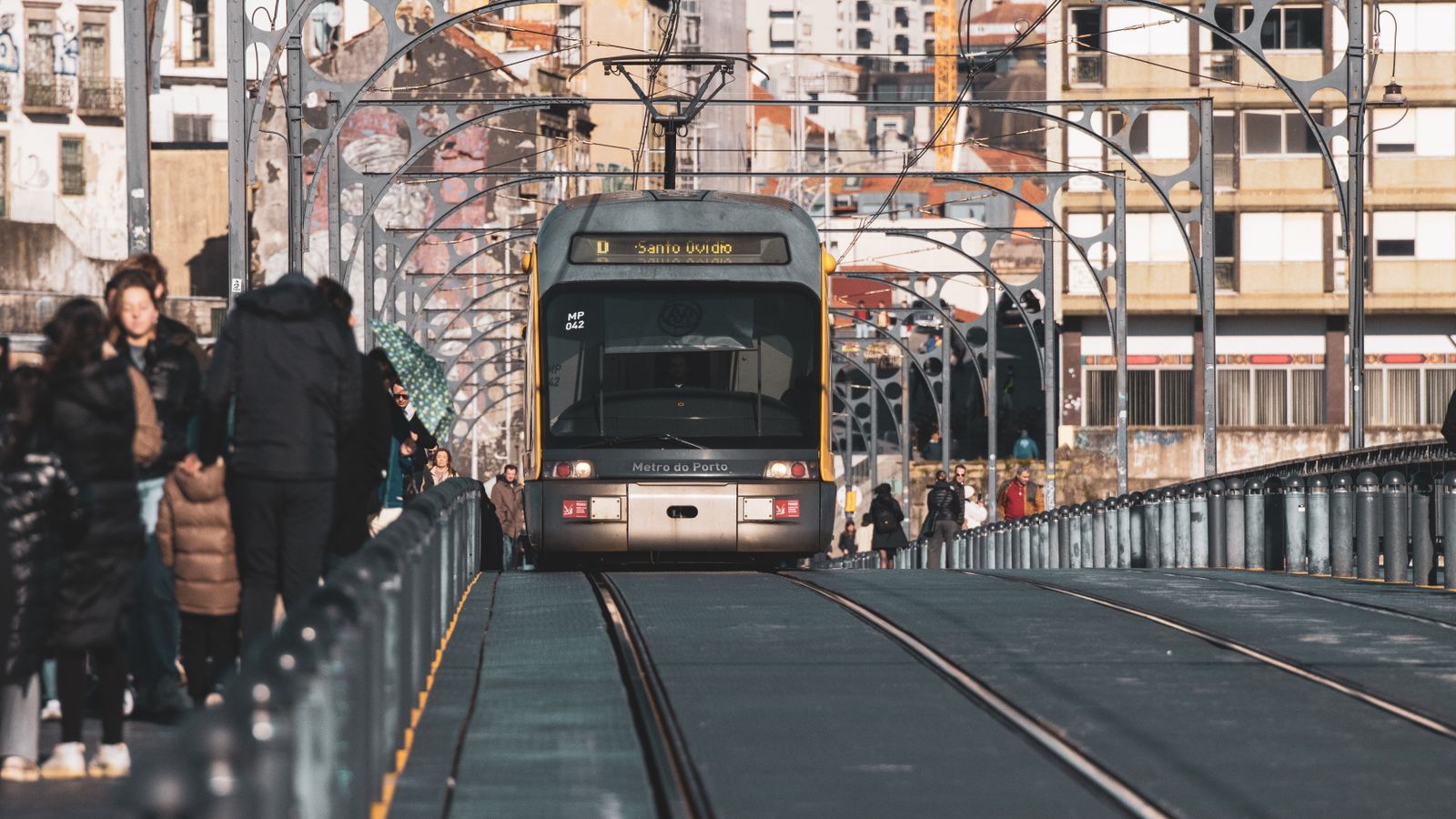
The included transport is an Andante Tour ticket, not a ticket for every way of moving around Porto. It covers participating metro, STCP buses and urban trains within the intermodal network. It does not include the historic tram or Gaia cable car. The official operator also says Andante Tour is not valid on the Guindais Funicular; do not count that journey as unlimited transport.
Porto's centre is walkable but steep. A hotel near Aliados or São Bento can make many sightseeing journeys unnecessary. A base farther out, an airport transfer, a trip to Foz or Matosinhos, or mobility needs can change the calculation. Use the real route from your hotel, not a generic number of rides per day.
The sightseeing card and the transport ticket activate separately. The Porto Card's period starts from the date and time written on it; the Andante Tour ticket starts on its first validation. Validate the transport ticket at the start of each journey and when changing line or vehicle. For the multi-day options, follow the instructions for the separate transport tickets supplied with the card. See Andante ticket and Tour pass prices, the metro journey from Porto Airport and a convenient area to stay on a first Porto visit.
Porto Card vs paying separately: three realistic trips
First, imagine two days mostly on foot: São Bento, Sé, Ribeira, Dom Luís I Bridge, viewpoints and a single paid visit. The streets, bridge and viewpoints do not need a pass. A separate attraction ticket and the occasional metro fare are likely the simpler purchase. The Porto Card becomes more interesting only if that paid stop offers a meaningful discount and you add other eligible visits.
Now take a museum-focused weekend. You have already chosen two or three participating museums or monuments, perhaps a cellar visit, and you intend to use several metro or bus journeys. Add the normal admission prices and eligible discounts for your exact choices. If those savings exceed €12, the 48-hour walker card pays for itself; if you also need substantial transport, compare the €27 combined price with the same visits plus separate fares.
Finally, consider a three-day Porto trip with a full Douro Valley tour. The tour takes most of a day outside the city. Even if a partner tour offers a discount, check whether that precise booking is eligible before counting it. A 72-hour pass bought for three calendar days may give you only two useful city days. A shorter pass used on the concentrated sightseeing days can be the better fit.
These examples deliberately avoid a fictional total saving. Attraction prices, partner offers and your pace vary. The reliable calculation is simple: add only the reductions on visits you would buy without the card, add the transport fares you would otherwise pay, and compare that total with the chosen pass. See a realistic three-day Porto itinerary.
Which Porto Card should you choose?
Choose 24 hours for one concentrated day with confirmed participating visits. It works badly when you start late, spend much of the day over a long lunch or discover that your priority museum is closed. The pass runs for consecutive hours, so you do not have to begin at midnight, but the attractions still keep their own opening hours.
Choose 48 hours when two adjacent days contain most of your paid sightseeing. This is often the most practical length for a short first trip: enough time for several visits without turning the holiday into a race. A 72- or 96-hour card suits a longer stay only when the extra days also contain benefits you expect to use.
Choose walker if you will mainly move on foot or already have another transport arrangement. Choose transport when the eligible journeys are frequent enough to justify the price difference. Buying the pass because you might take a tram or cable car is a mistake: neither is part of the unlimited Andante Tour coverage.
When is the Porto Card not worth it?
Skip it if your Porto plan is mostly neighbourhoods, markets, riverfront walks and free viewpoints. Those are excellent ways to see the city, but a discount card cannot reduce a zero-euro entrance fee. The same applies when your only paid priority is a venue with no useful current Porto Card offer.
Think twice if you qualify for a child, student, senior or other concession. A normal reduced ticket may cost less than the Porto Card discount, and partner reductions are not necessarily cumulative. Families should calculate each person separately: children may already enter some museums free or at a lower price.
Do not buy it to remove queues or guarantee entry. A partner discount does not automatically create a timed reservation. For popular places such as Livraria Lello, use the venue's own ticketing rules; do not assume a city pass replaces its ticket voucher. Poor weather, closures and a late arrival can also leave much less time to use a short pass than your spreadsheet suggests. See Livraria Lello ticket and booking rules.
Where should you check before buying the Porto Card?
First, check the current notice on the official Porto Card booking site. As of 7 October 2026 it says purchases are temporarily unavailable, even though older sales copy and buttons remain on that page. I would not send you to a third-party checkout until the seller can confirm that its voucher will be honoured under the restructured product.
When official sales resume, use the official booking site or a confirmed tourism office. The previously published instructions say an online purchase must be collected at a Porto tourism office, including the airport option; it is not simply a digital pass on your phone. Recheck the collection point and opening hours against your arrival time because the process may change with the relaunch.
Before purchase, make a short list of your three or four must-see paid places. Check each partner's current discount, normal price, opening day and whether a reservation is required. Then choose the shortest card duration that covers those visits at a comfortable pace. Save or carry the current benefits guide so you can show the card before paying at a partner.
The card is personal and offers each free entry or discount once. Visit Porto states that lost, stolen and unused cards are not refundable or replaceable. If your itinerary is still very uncertain, buying on arrival after confirming opening hours may be preferable to committing early.
My verdict: if the card becomes available again, buy it when the visits you already want make the arithmetic work. Add transport only when your actual journeys justify it. Until then, plan with individual attraction and transport tickets. See the official Porto Card sales status and Review the official Porto Card conditions and partner offers.
Useful answers
FAQ - Is the Porto card worth it
It can be, but a first visit alone is not enough reason to buy it. List the paid sights you will actually enter and compare their current discounts with the card price. A trip focused on walks and viewpoints may cost less without the pass.