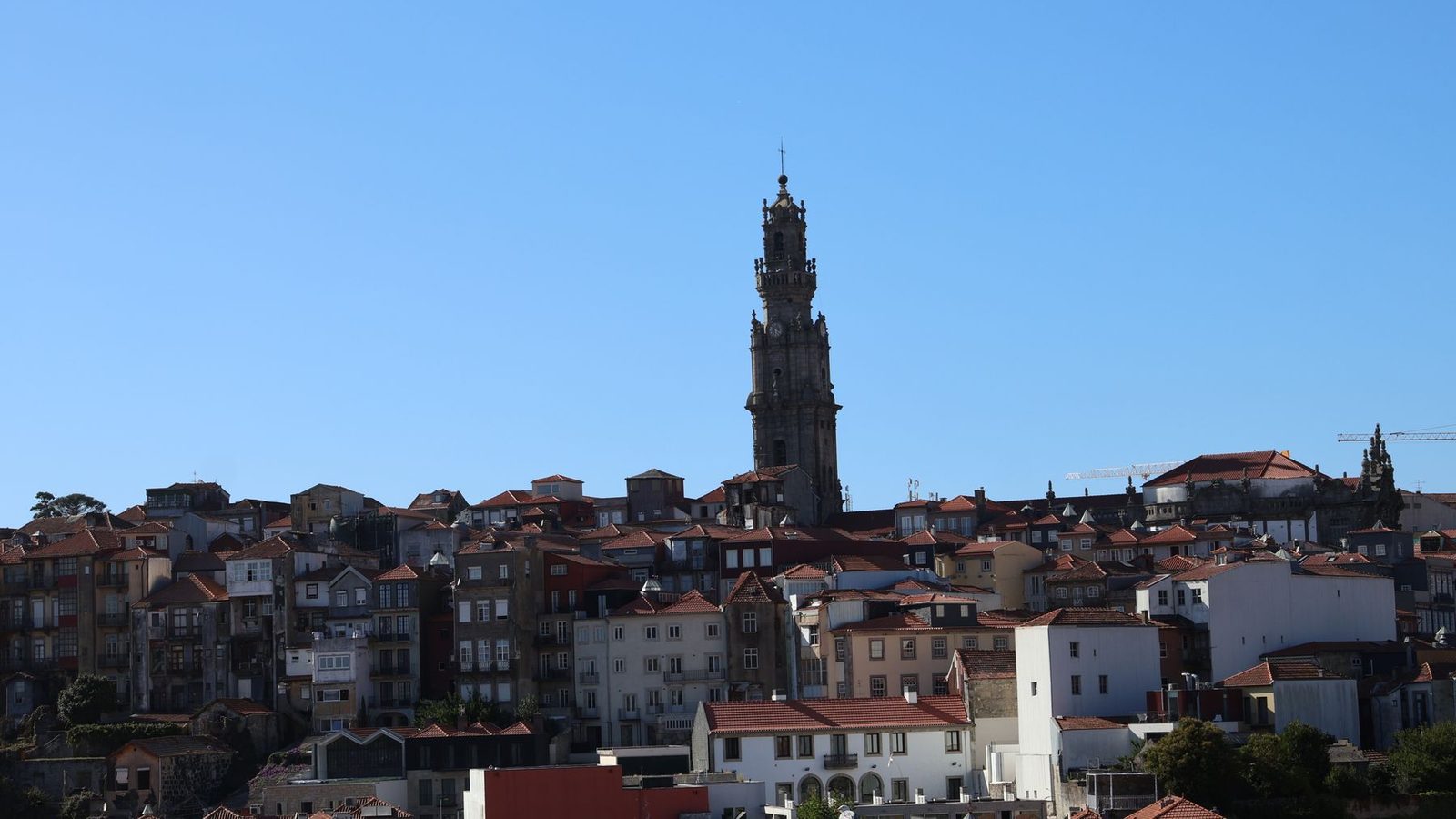

Porto weather is shaped by the Atlantic: generally dry, bright summers and cooler, wetter winters, with fast changes possible in every season.
This month-by-month guide helps you plan realistic outdoor time and pack for the city, coast and Douro Valley.
Porto weather at a glance
Porto has an Atlantic-influenced climate. Summers are generally drier and brighter, while late autumn and winter bring more frequent rain and shorter days.
Weather changes quickly near the coast. A morning forecast can include sunshine, wind and showers, so flexible layers are more useful than one heavy item.
- ✓ Warmest, driest period: generally summer
- ✓ Wetter period: late autumn and winter
- ✓ Most useful year-round item: shoes with grip
- ✓ Important day-trip check: separate Douro forecast
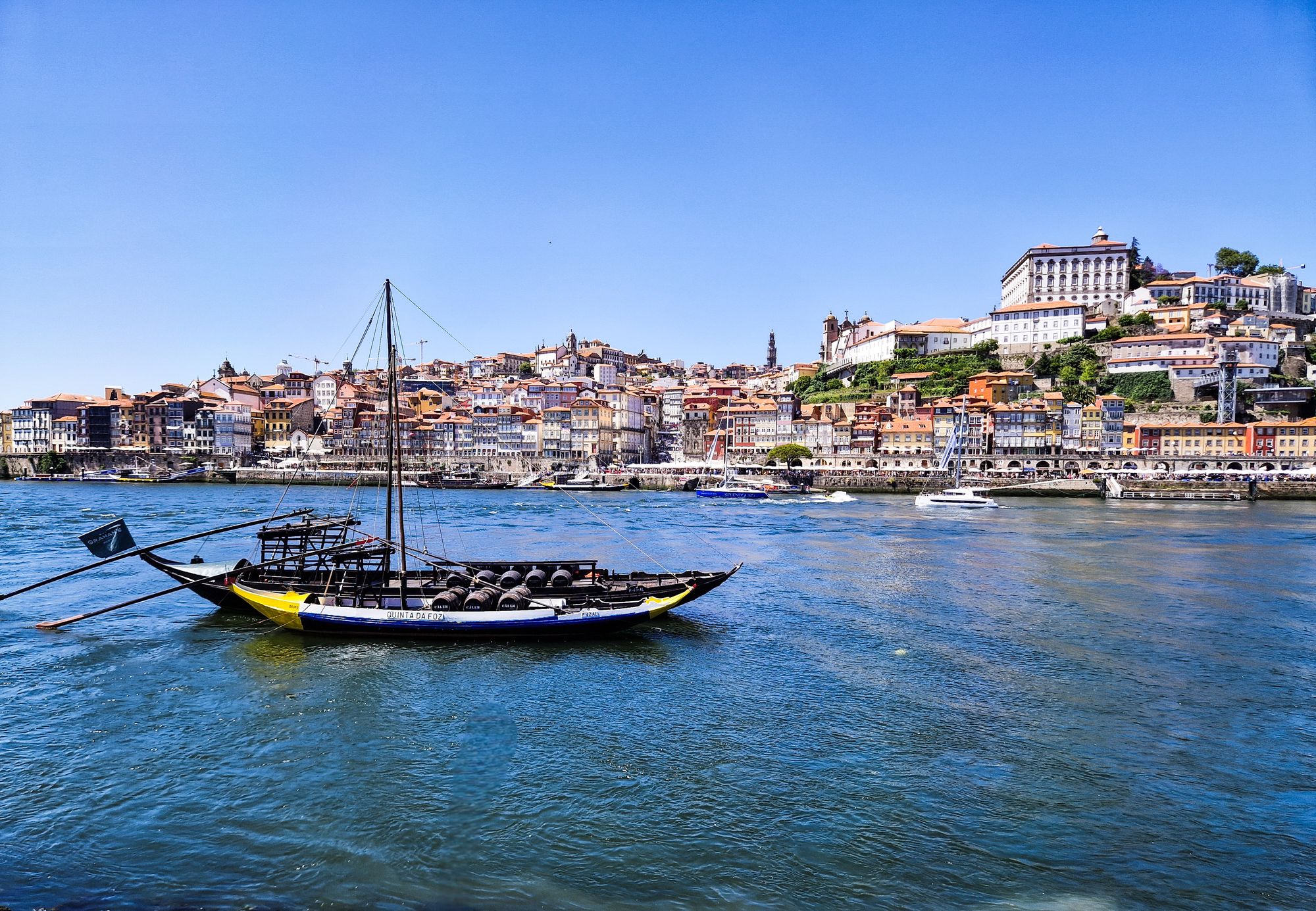
Porto weather in January, February and March
January and February are cool, changeable and among the months when rain is more likely. Frost and extreme cold are not the normal city experience, but damp air and wind can make conditions feel colder.
Daylight is limited and several wet days can occur in the same trip, so organise outdoor routes by area instead of crossing the city repeatedly. A waterproof shell and shoes that grip wet calçada are more useful than an extremely heavy coat.
March begins the transition towards spring, with longer days and more usable dry periods, but it still needs a rain plan. Use museums, churches, markets and wine cellars as flexible indoor anchors rather than assigning every hour in advance.
Porto weather in April, May and June
April can mix bright periods with showers, sometimes within the same afternoon. May often brings a comfortable balance for walking, while June offers long days and increasingly reliable outdoor conditions.
Spring suits travellers who want viewpoints, neighbourhood walks and day trips without peak-summer heat. It is still too changeable to pack only warm-weather clothing, particularly for evening meals outdoors.
Even when the daytime forecast looks warm, carry a light layer for the river and Atlantic coast. São João in late June brings a festive city atmosphere and higher visitor demand. See weather, crowds and prices in the best-time-to-visit guide.
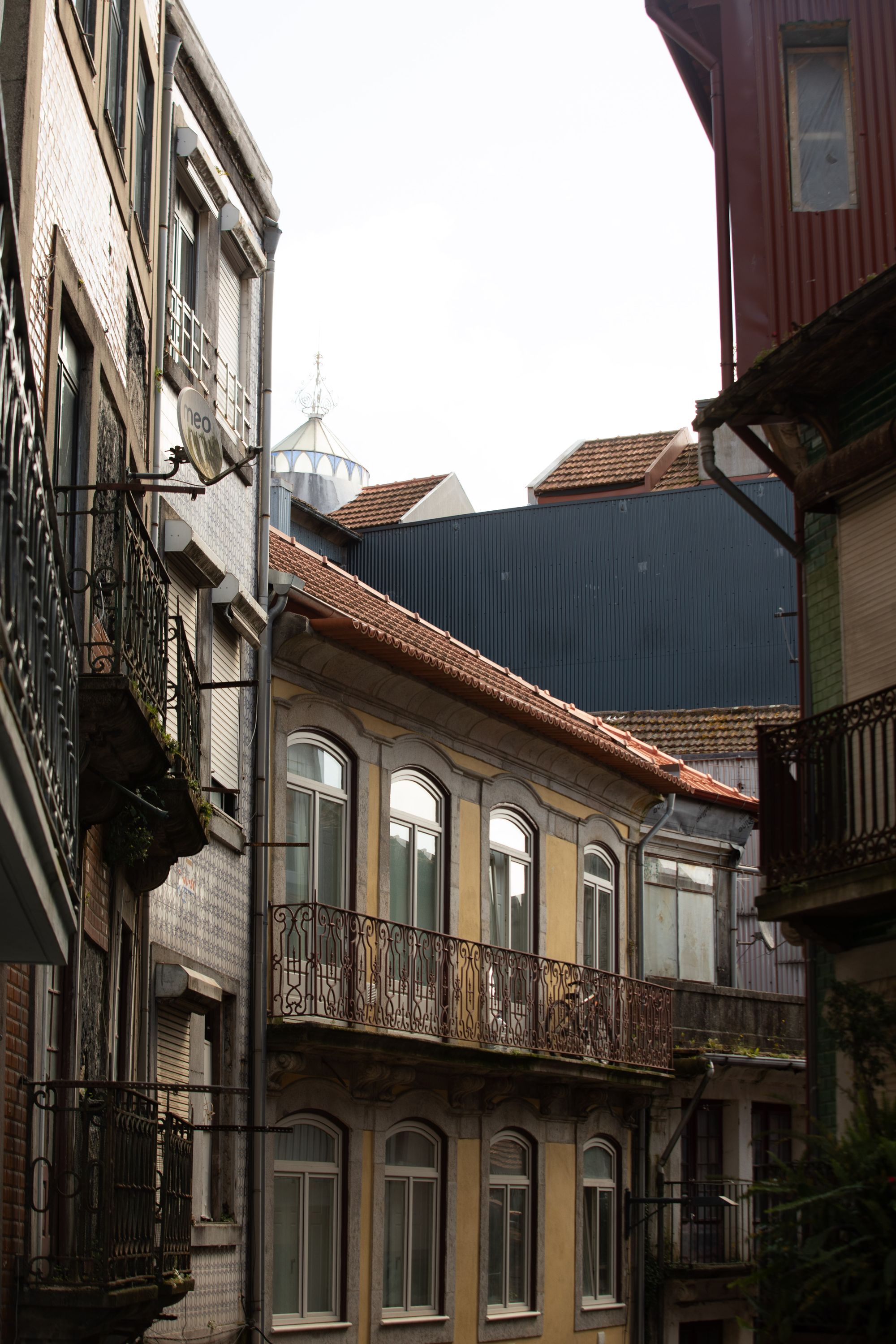
Porto weather in July, August and September
July and August are usually the driest, warmest months and the easiest period for beaches, cruises and outdoor dining. Heat waves are possible, while Atlantic breezes can make Foz feel cooler than inland streets.
Schedule steep walks and exposed viewpoints earlier or later on hot days. Midday works better for lunch, a museum or a cellar visit than for climbing repeatedly between Ribeira and the upper centre.
September often remains warm and is popular for combining Porto with the Douro harvest period. Sun protection and water matter, especially on exposed bridge decks and steep climbs. See between Foz and the best beaches in Porto.
Porto weather in October, November and December
October can still provide excellent sightseeing weather, but rainfall becomes less predictable as autumn develops. November is commonly wetter and daylight is noticeably shorter.
Autumn is not one uniform season: an October afternoon can feel mild enough for a river terrace, while a stormy November day may favour museums and a long lunch. Check wind as well as rain when planning bridge crossings or a coastal walk.
December is atmospheric for city lights, cafés and port wine lodges, but build the itinerary around flexible outdoor windows. Waterproof footwear helps on polished stone and cobbled slopes. See the detailed Porto in October weather and packing guide.
Why Foz and Matosinhos can feel different
Porto's western edge is directly exposed to the Atlantic. Foz and Matosinhos can feel windier and cooler than sheltered streets in Baixa, and low cloud or sea mist may sit on the coast while the centre remains bright.
Carry one extra layer for a beach walk or sunset, even when the city forecast looks warm. For swimming or surfing, check beach flags and sea conditions rather than using air temperature as the only guide.
What to pack for Porto weather
Bring comfortable shoes with dependable grip in every month. Add a compact waterproof shell outside the driest season and use layers that can handle differences between sunshine, shade and wind.
In summer, pack sunscreen, a hat and a refillable water bottle. In winter, a wind-resistant outer layer is often more practical than preparing only for low temperature.
A small day bag makes it easier to add or remove layers. Avoid relying on a fragile umbrella alone: exposed streets and the riverfront can be windy, while a jacket keeps both hands free on steps and steep paving.
- ✓ Comfortable shoes with grip
- ✓ Light waterproof jacket
- ✓ Layer for river and coastal wind
- ✓ Sun protection from late spring to early autumn
How to plan Porto when rain is forecast
Do not write off a full day because one forecast shows rain. Showers can be intermittent, so group outdoor sights close to indoor alternatives: São Bento with Bolhão, Ribeira with Palácio da Bolsa, and Gaia viewpoints with a port wine cellar.
Use the wettest hours for a museum, market or tasting, then move viewpoints and bridge crossings into clearer windows. A geographically compact plan saves more time than repeatedly changing neighbourhoods to chase the forecast. See a flexible route from the best things to do in Porto.
Which month has the best Porto weather?
There is no single best month for every trip. June and September offer a strong balance of long days, generally usable outdoor weather and fewer extremes than the height of summer. July and August give the best chance of dry beach conditions but also bring stronger demand and occasional heat.
May suits walking and day trips when some showers are acceptable. October remains mild enough for sightseeing but needs a more flexible rain plan. Winter works for food, museums and cellars, not for a schedule dependent on several consecutive dry days. See the best time to visit Porto for weather and crowds.
How weather changes a day in Porto
Temperature alone does not describe how a Porto day feels. Shade in narrow streets, wind on Dom Luís I Bridge and moisture beside the Atlantic can make the same reading feel different across the city.
In summer, place exposed climbs and viewpoints in the morning or late afternoon. In winter, use the middle of the day for longer walks and keep indoor visits for early darkness or heavier showers. Sunset, coastal wind and river conditions matter more for cruises and Foz than the headline daily maximum. See the three-day Porto itinerary as a flexible weather plan.
Climate averages versus the daily forecast
Monthly climate averages help choose a season, but they cannot predict a specific travel week. A forecast becomes useful closer to arrival for ordering outdoor plans, deciding whether a Douro cruise is comfortable and identifying the clearest sunset window.
Read precipitation probability together with expected duration, wind and total rainfall. A day showing showers may still contain several usable hours, while a lower probability attached to a strong Atlantic front can have more impact.
Avoid rebuilding the entire itinerary around hourly changes several days in advance. Keep one or two indoor alternatives in each area and make the final decision on the morning of the activity.
Porto weather versus the Douro Valley
The Douro Valley lies inland and can be hotter in summer and colder in winter than Porto. Conditions may differ significantly on the same day.
Check both destinations before a tour, particularly if the itinerary includes an exposed boat trip or vineyard walking. A Porto forecast alone is not enough for a full-day Douro plan. See a Douro Valley day trip from Porto.
Useful answers
FAQ - Porto weather
Porto has drier, warmer summers and wetter, cooler winters, with changeable Atlantic conditions in every season.